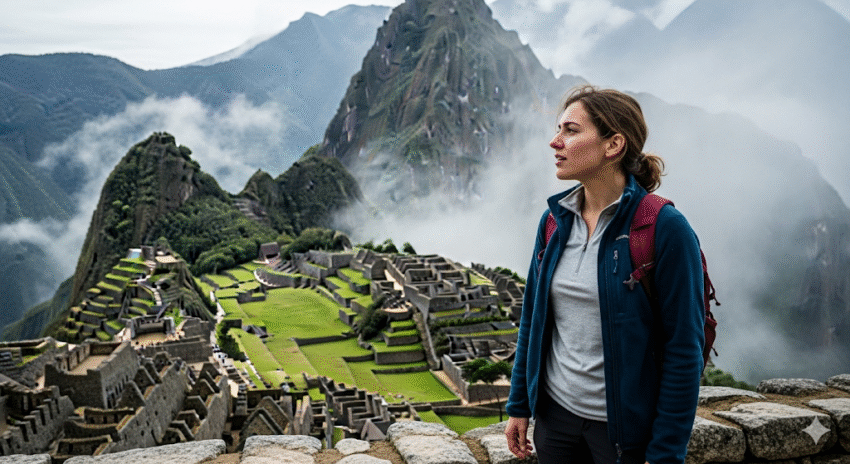
When you dream of Peru, the first image that comes to mind is often Machu Picchu’s ancient stone ruins, framed by misty mountains. It is a truly magical destination, a place that feels almost unreal. But to make sure your visit is unforgettable, you need to prepare for its unique challenges. From the high altitude and unpredictable weather to the complex logistics of tickets and transportation, going unprepared can quickly turn an exciting trip into a difficult experience. This article provides a practical, step-by-step guide to help you navigate these hurdles, ensuring you can fully immerse yourself in the magic of the ancient city.
From the high altitude and unpredictable weather to the complex logistics of tickets and transportation, going unprepared can quickly turn an exciting trip into a difficult experience.
The Altitude Challenge: Acclimatization is Key
The biggest challenge for most travelers is the altitude. Cusco sits over 3,300 meters above sea level, and the thin air can cause altitude sickness, also known locally as soroche. Symptoms include:
- Headaches.
- Nausea.
- Dizziness and shortness of breath.
To mitigate this risk, the key is to take it easy. We recommend that you spend your first day in Cusco resting, drinking plenty of water, and avoiding heavy meals or alcohol. Many hotels and cafes offer coca tea, a traditional remedy that has helped locals for centuries. Some visitors also consult a doctor beforehand to get a prescription for altitude sickness medication. A little rest at the beginning of your trip can make a huge difference in how you feel for the rest of your adventure.
Dressing for the Andes: The Art of Layering
The weather in the Andes is famously unpredictable. A single day can bring bright sunshine, sudden downpours, and chilly evenings. The best strategy for packing is to dress in layers. Start with a light t-shirt or long-sleeve shirt, add a warm sweater or fleece, and top it off with a waterproof jacket. You can easily add or remove these layers as the temperature changes throughout the day.
Your shoes are also critical. Cusco’s streets are made of cobblestones and the ruins at Machu Picchu have many steep, uneven steps. Leave the stylish shoes at home and bring comfortable walking shoes or hiking boots that can handle both the city and the mountain. A small daypack is also useful for carrying water, sunscreen, and a hat, but remember that the ruins have restrictions on bag size, so a small pack is the safest option.
Navigating the Logistics: Tickets, Trains, and Timing
The logistics of getting to Machu Picchu require careful planning to avoid stress and disappointment. Access is limited, and tickets must be purchased well in advance, sometimes months before your visit, especially during the high season from May to September. There are different ticket options, including general entry and special tickets that allow you to climb Huayna Picchu or Machu Picchu Mountain for stunning views.
In addition to your entrance ticket, you will need to arrange transportation. The most common route is a scenic train ride from Cusco or Ollantaytambo to Aguas Calientes, the small town at the foot of the ruins. From there, a short bus ride takes you up to the citadel. Booking your tickets for the train and the entrance to the ruins early will save you from last-minute headaches and allow you to focus on the experience.