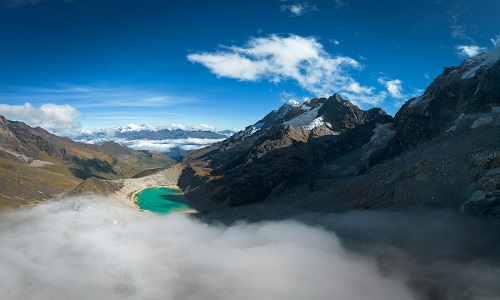
The Salkantay Trek is one of the most popular alternative routes to the famous Inca Trail, leading adventurers through the breathtaking landscapes of the Peruvian Andes to the ancient citadel of Machu Picchu. Named after the towering Salkantay Mountain, which rises to 6,271 meters (20,574 feet), this trek offers a challenging yet rewarding experience that combines stunning natural beauty, cultural immersion, and the thrill of reaching one of the world’s most iconic archaeological sites.
The Salkantay Trek is renowned for its diverse scenery, ranging from snow-capped peaks and high-altitude passes to lush cloud forests and subtropical jungles. Unlike the Inca Trail, which requires permits and can be crowded during peak season, the Salkantay Trek is less regulated, offering a more tranquil and intimate experience with nature. This trek is also an excellent option for those seeking a physical challenge, as it involves traversing high-altitude terrain and covering a distance of approximately 74 kilometers (46 miles) over five to six days. (more information).
What sets the Salkantay Trek apart from other routes to Machu Picchu is the opportunity to experience the dramatic contrasts in the Andean landscape. Starting in the high-altitude region dominated by the imposing Salkantay Mountain, trekkers gradually descend into warmer, more tropical environments, passing through cloud forests teeming with wildlife and vibrant flora. This journey through varied ecosystems provides a unique perspective on the natural diversity of the Andes and the cultural significance of the region.
The Salkantay Trek typically begins in the village of Mollepata, located about a three-hour drive from Cusco. Trekkers often spend the first night in the small settlement of Soraypampa, situated at an altitude of 3,900 meters (12,795 feet). Soraypampa is an ideal acclimatization spot and serves as the gateway to the first major challenge of the trek: the ascent to the Salkantay Pass.
The first day of the trek starts with a scenic drive from Cusco to Mollepata, where trekkers meet their guides and support team. From Mollepata, the hike begins with a gradual ascent through the picturesque Andean landscape, with views of snow-capped peaks and green valleys. The trail passes through small villages and farmlands, offering a glimpse into the traditional way of life in the Andes.
Day two is often considered the most challenging but also the most rewarding part of the trek. The day begins with an early morning ascent to the Salkantay Pass, which at 4,650 meters (15,255 feet) is the highest point of the trek. The climb is steep and demanding, but the views from the top are unparalleled. Trekkers are treated to a panoramic vista of the Salkantay Mountain, with its jagged, snow-covered peaks towering above the surrounding landscape.
After reaching the pass, the trail descends into the cloud forest, where the landscape gradually transforms from barren, rocky terrain to lush, green vegetation. The descent is long and can be tough on the knees, but the change in scenery provides a welcome respite from the high-altitude environment. By late afternoon, trekkers arrive at Chaullay, a small village nestled in the cloud forest, where they spend the night.
On the third day, the trail continues through the cloud forest, following the course of the Santa Teresa River. This part of the trek is characterized by a more tropical climate, with warm temperatures and abundant vegetation. Trekkers pass through coffee and banana plantations, as well as small farms where they can interact with local farmers and learn about their way of life.
The day’s hike is less strenuous than the previous day’s climb to the Salkantay Pass, allowing trekkers to enjoy the lush surroundings and the sound of the river flowing nearby. The trail eventually leads to Lucmabamba, a small village where trekkers camp for the night. Lucmabamba is known for its coffee production, and many trekkers take the opportunity to visit a local coffee plantation and taste freshly brewed coffee.
Day four begins with a climb to the archaeological site of Llactapata, an Inca ruin that offers a rare and breathtaking view of Machu Picchu from a distance. The hike to Llactapata is relatively short but steep, winding through dense cloud forest and offering glimpses of the surrounding mountains and valleys.
Llactapata is a lesser-known Inca site, and its remote location adds to its mystique. From the ruins, trekkers can catch their first glimpse of Machu Picchu, nestled on the ridge across the valley. This vantage point provides a unique perspective on the famous citadel, framed by the lush greenery of the forest.
The fifth day of the trek is the culmination of the journey: the visit to Machu Picchu. Trekkers rise early to catch one of the first buses up to the entrance of the ancient citadel, eager to witness the sunrise over the iconic ruins. The early morning light casts a golden hue over the stone structures, creating a magical atmosphere that is both awe-inspiring and humbling.