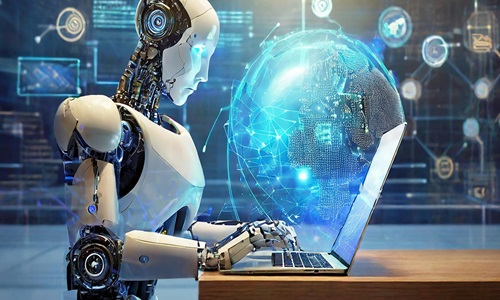
Artificial intelligence is changing the way digital experiences are designed and delivered. UX design has always focused on creating intuitive, efficient, and enjoyable interactions between users and technology. With AI, this process is becoming more dynamic, adaptive, and data-driven. From personalization to automating creative tasks, AI is revolutionizing the way designers approach user experiences.
One of the most visible ways AI is transforming UX design is through personalized experiences. Traditional user interfaces were often static, offering the same experience to every user. AI-driven systems analyze user behavior, preferences, and past interactions to create tailored experiences. This level of personalization can be seen in e-commerce, streaming services, and social media platforms, where AI recommends products, movies, or content based on individual tastes. Machine learning models refine these recommendations over time, ensuring that users receive increasingly relevant suggestions.
Conversational interfaces are another area where AI is reshaping user experience. Virtual assistants and chatbots powered by natural language processing provide instant responses to user inquiries. Unlike scripted chatbots of the past, AI-driven bots understand context, sentiment, and even nuances in language, making interactions feel more natural and human-like. This technology reduces friction in customer service continue reading, allowing users to resolve issues quickly without the need for human intervention. As AI improves, conversational interfaces will become even more seamless, reducing the reliance on traditional navigation structures.
AI also plays a crucial role in accessibility, making digital experiences more inclusive. Tools powered by AI can analyze website elements and suggest improvements for better usability. Features like voice recognition, real-time captions, and automated alt text for images ensure that content is accessible to a wider audience. AI-driven interfaces can adapt to users with disabilities, providing customized interactions based on their needs. For example, machine learning can help predict and correct user errors in real time, making navigation easier for people with motor impairments.
Another major shift AI brings to UX design is the automation of creative processes. Traditionally, UX designers spent hours sketching wireframes, prototyping layouts, and testing usability. AI-powered design tools can generate wireframes, suggest UI components, and even test different layouts automatically. By analyzing past design patterns and user interactions, AI assists designers in making informed decisions quickly. This automation speeds up the design process, allowing teams to focus more on refining the overall experience rather than spending time on repetitive tasks.
Predictive analytics is another powerful application of AI in UX design. Instead of reacting to user behavior, AI anticipates what users might do next. Websites and applications can proactively suggest actions, pre-load content, or adjust layouts based on predictive models. This reduces cognitive load for users, making interactions smoother and more intuitive. For example, predictive search suggestions help users find information faster, while AI-powered navigation menus adapt based on frequently used features.
AI-driven A/B testing is also transforming UX research. Traditionally, A/B testing required manual setup and analysis, with designers testing different versions of a page or interface to determine which performed better. AI accelerates this process by dynamically adjusting elements in real time, testing multiple variations simultaneously, and identifying patterns in user behavior. This data-driven approach leads to continuous optimization, improving conversion rates and user engagement without the need for extensive manual testing.
Emotional intelligence is another frontier in AI-powered UX design. AI systems can analyze facial expressions, voice tones, and user interactions to gauge emotions. This allows interfaces to respond in ways that match the user’s emotional state. For example, a digital assistant might detect frustration in a user’s voice and adjust its responses to be more supportive. Emotional AI has the potential to create more empathetic interactions, making technology feel more human and responsive to users’ needs.
However, AI in UX design is not without challenges. Ethical concerns arise when AI collects and analyzes vast amounts of user data. While personalization enhances experiences, it also raises questions about privacy and data security. Designers must find a balance between offering tailored experiences and ensuring that user data is handled responsibly. Transparency in AI-driven decision-making is also critical to maintaining user trust.
Another challenge is the risk of over-reliance on AI-generated designs. While AI can automate many tasks, human creativity remains essential in crafting meaningful experiences. Designers must ensure that AI enhances the creative process rather than replacing it. The best UX outcomes will come from a collaboration between AI’s efficiency and human intuition.