User experience and interface design are constantly evolving, driven by technological advancements and changing user expectations. As digital products become more sophisticated, designers must adapt to new trends that enhance usability, engagement, and accessibility. The way people interact with technology is being reshaped by artificial intelligence, immersive experiences, and the growing demand for personalization. These emerging trends are defining the future of UX and interface design, making digital interactions more intuitive, efficient, and enjoyable.
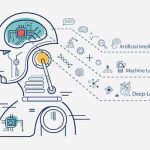
One of the most influential trends is the integration of artificial intelligence into UX design. AI-powered interfaces are becoming smarter, allowing for predictive user interactions and more personalized experiences. Machine learning algorithms analyze user behavior to anticipate needs, offering recommendations, auto-completing tasks, and even adapting the interface dynamically. Voice assistants, AI chatbots, and generative design tools are transforming how users engage with digital products. Instead of static interfaces, AI-driven systems create dynamic experiences that evolve based on real-time user data. This shift is making digital interactions more fluid and reducing friction in the user journey.
Another key trend is the rise of immersive experiences through augmented reality and virtual reality. As hardware becomes more accessible, AR and VR are moving beyond gaming and entertainment into everyday applications. Retailers are using AR to allow customers to visualize products in their own space before making a purchase. Virtual environments are being integrated into remote work tools, creating interactive meeting spaces. These technologies are pushing UX design to move beyond traditional screens, requiring designers to think spatially and consider how users interact with digital elements in three-dimensional environments. Gesture-based controls and eye-tracking technology are also contributing to more natural and intuitive interactions.
The demand for hyper-personalization is also reshaping UX design. Users expect digital experiences that cater to their individual preferences and behaviors. This trend goes beyond simple recommendations and extends to adaptive interfaces that change based on user context. Websites and apps are starting to modify layouts, color schemes, and content dynamically depending on the user’s mood, location, or previous interactions. Personalization engines powered by AI ensure that users receive relevant information without unnecessary distractions. As personalization becomes more advanced, ethical considerations around data privacy and transparency are becoming more important. Designers must find the right balance between personalization and respecting user privacy.
Minimalist and distraction-free design is another trend gaining traction. With the increasing amount of digital noise, users appreciate clean and simple interfaces that focus on essential functionality. The shift towards minimalism is evident in the rise of neomorphic and glassmorphic design, which use subtle shadows and transparency effects to create depth while maintaining a lightweight appearance. Dark mode has also become a standard feature in many applications, offering a more comfortable viewing experience, especially in low-light conditions. The challenge for designers is to simplify interfaces without compromising usability or accessibility.
Microinteractions and motion design are playing a larger role in enhancing user engagement. Small animations, haptic feedback, and transition effects add a layer of responsiveness to interfaces, making them feel more alive. These subtle design elements guide users through interactions, providing visual cues and reinforcing behaviors. A well-designed microinteraction, such as a button that gently pulses when hovered over or a loading animation that conveys progress, can improve the overall user experience. Motion design is also being used to create storytelling elements within apps and websites, making interactions feel more immersive and engaging.
Another emerging trend is inclusive and accessible design. As digital accessibility becomes a priority, designers are focusing on creating interfaces that accommodate diverse users, including those with disabilities. AI-powered accessibility tools are helping identify potential barriers and suggesting improvements. Voice navigation, screen readers, and customizable interfaces allow users to interact with digital products in ways that suit their needs. Color contrast adjustments, resizable text, and alternative navigation methods are becoming standard features. The focus on inclusivity ensures that digital experiences are available to everyone, regardless of their abilities or limitations.
The rise of no-code and low-code platforms is changing the way UX designers approach development. These tools enable designers to create functional prototypes and even fully operational applications without extensive coding knowledge. This shift allows for faster iteration, reducing the gap between design and development. No-code platforms also empower non-technical creators to bring their ideas to life, leading to more diverse and innovative digital experiences.