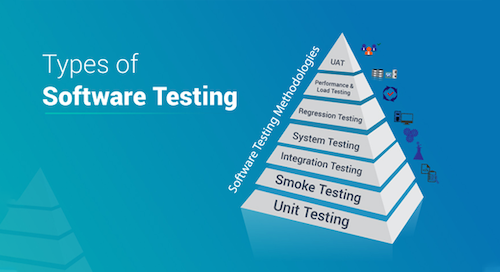
Howzit fam! Welcome to the realm of software testing, where we unpack the various types that keep our digital world ticking smoothly. From unit testing to performance testing, it’s like a potjiekos of techniques making sure our software doesn’t go kwaai on us. So, buckle up, grab a cold one, and let’s take a lekker stroll through the diverse world of software testing.
Unit Testing: Like Boerewors, One Bit at a Time
Imagine you’re making boerewors – you don’t chuck everything into the pot at once, right? Unit testing is like that, but with code. It’s about testing each piece of code, or boerewors in this case, to make sure it’s lekker before putting it all together.
How It Goes Down:
Code Components: Testing each bit of code on its own, making sure it functions as expected.
Quick and Frequent: Like checking each spice before throwing it into the pot, you want to catch any issues early.
Why It’s Important:
Early Bug Detection: Just like spotting that one dodgy spice, unit testing helps catch bugs before they mess up the whole dish.
Confidence in the Cook: Ensures that each piece of code can hold its own weight, making the overall dish – or software – more reliable.
Performance Testing: Checking If the Biltong Is Drying Right
Now, let’s talk about performance testing. It’s like checking if the biltong is drying just right – you want it to be lekker and not too tough. Performance testing makes sure your software can handle the heat, the load, and all the other stresses it might face in the real world.
How It Goes Down:
Load Testing: Throwing a bunch of users at your software to see if it can handle the traffic.
Stress Testing: Cranking up the pressure to see how much your software can take before it starts acting up.
Endurance Testing: Like marinating meat for hours, this tests if your software can keep performing under a sustained load.
Why It’s Important:
Avoiding Meltdowns: Nobody wants their software to crash when everyone’s trying to use it – performance testing ensures it can handle the pressure.
Smooth User Experience: Like enjoying a biltong snack without breaking your teeth, performance testing ensures a smooth and enjoyable user experience.
Test Automation: Braai Tongs for Efficient Flipping
Picture this – you’re having a braai, and instead of flipping the wors with your hands, you use braai tongs. Test automation is like those tongs – making repetitive testing tasks easier and more efficient.
How It Goes Down:
Automated Scripts: Writing scripts that can test repetitive actions, saving time and effort.
Continuous Integration: Integrating automated tests into the development process to catch issues early and often.
Why It’s Important:
Efficiency: Like flipping wors with tongs, test automation speeds up the testing process, making it more efficient.
Consistency: Automated tests perform the same actions every time, ensuring consistent results.
Early Bug Detection: Helps catch bugs in the early stages of development, preventing them from becoming bigger issues later on.
Application Testing Services: Like Having a Braai Master for Hire
Now, let’s talk about application testing services – it’s like having a braai master for hire. These services bring in the experts to ensure your software is top-notch and ready to impress.
How It Goes Down:
Comprehensive Testing: Testing every aspect of your application, from functionality to security.
Expert Assessment: Bringing in specialists who know the ins and outs of testing to provide a thorough evaluation.
Customized Solutions: Tailoring testing services to the specific needs of your application.
Why It’s Important:
Third-Party Perspective: Like having someone else taste your potjiekos to make sure it’s not just you who thinks it’s lekker, application testing services provide an unbiased perspective.
Specialized Knowledge: Testing experts bring specialized knowledge, ensuring that your application is thoroughly evaluated.
Risk Mitigation: Identifies potential risks and issues early on, allowing for proactive mitigation.
User Acceptance Testing: Letting the Braai Guests Give Their Nod
Last but not least, let’s chat about user acceptance testing. It’s like letting your braai guests taste the potjiekos and give their nod of approval – it ensures that your software meets the expectations and needs of the end-users.
How It Goes Down:
Real Users Involved: Getting actual users to test the software and provide feedback.
Scenarios and Workflows: Testing real-world scenarios and workflows to ensure the software is practical and user-friendly.
Why It’s Important:
Real-World Validation: Ensures that the software functions as intended in real-world scenarios.
User Satisfaction: If your braai guests love the potjiekos, they’ll keep coming back – similarly, user acceptance testing ensures that the end-users are satisfied.
Feedback Loop: Provides a valuable feedback loop, allowing developers to make improvements based on user input.
Conclusion:
So there you have it, folks – a lekker rundown of various types of software testing, straight from the heart of Mzansi. From unit testing making sure each bit of code is on point to performance testing handling the heat, and test automation flipping those repetitive tasks with ease.