The Machu Picchu Logistics Puzzle
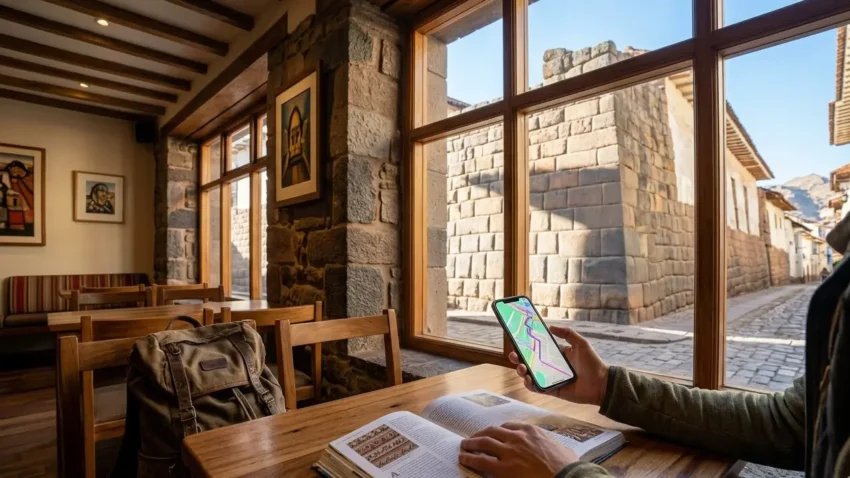
In Machu Picchu, for example, it seems straightforward from the outside. You go to Cusco, then to Machu Picchu, done. But once you actually try to organize it, you realize it’s more like a chain of small decisions that all depend on each other. First, getting to Cusco, which is fine. Then deciding how to reach Ollantaytambo or Poroy. Then picking the right train, at the right time, with prices that change more than you’d expect. And that’s before even thinking about the bus up to the entrance.
If you’re doing all this yourself, you’re basically building a puzzle where every piece has to fit. And yeah, it can work perfectly. Plenty of people do it. But it also means you’re the one checking everything twice, sometimes three times, just to be sure you didn’t miss something small that later turns into a big problem.
“Agencies already have that puzzle solved. They know which connections are tight and which ones give you breathing room. If something shifts, they usually have a backup ready.”
Navigating the Entrance Ticket Situation
Then comes the entrance ticket situation, which is honestly where many people get caught off guard. Machu Picchu isn’t unlimited access. There are daily caps, specific time slots, and different circuits that control how you move inside the site. It’s not just “buy a ticket and go”. If you want one of the more popular routes, or to climb Huayna Picchu, you need to plan that in advance. Sometimes way in advance.
Doing this on your own means being very organized with dates and a bit lucky with availability. Agencies tend to move faster here, not magically, but because they’re constantly dealing with these bookings. They know when to check, how to adjust, and what alternatives make sense if your first option isn’t available.
The Certified Guide Factor
And then there’s the guide. A lot of people think they can skip this part or keep it minimal. Maybe read a few things before going, or listen to something on their phone while walking around. But once you’re actually there, it hits different. Without context, it’s beautiful, yes, but also kind of… distant. Like you’re looking at something important but not fully getting why.
- Context: A good guide connects the place, the history, and the small details.
- Regulation: In many cases, having a certified guide is no longer optional.
- Seamlessness: Agencies include guides as part of the flow, avoiding the stress of vetting them on-site.
The Mental Load vs. Personal Control
What people don’t always consider is the mental load of organizing all this. It’s not just the bookings, it’s the constant checking, confirming, adjusting. Even during the trip, part of your mind stays in “logistics mode”. Double checking times, thinking about the next step, making sure everything lines up.
Some people enjoy that, to be fair. There’s a certain satisfaction in pulling it off on your own. When everything works, you feel like you really earned the experience. And you also get full control. If you want to change plans last minute, you can. Stay longer somewhere, skip something else, no need to ask anyone.
Whether you choose the DIY route or professional help, the goal remains the same: an unforgettable experience in the heart of the Andes. How much “logistics mode” are you willing to carry?