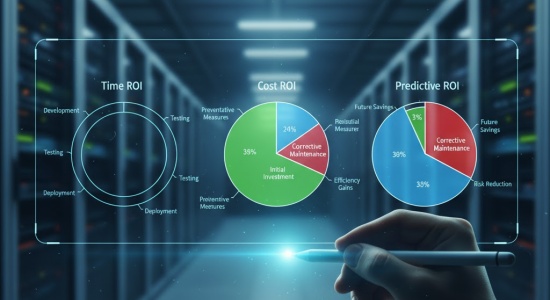
Integrating performance testing (PT) into the CI/CD pipeline does more than find current bugs; it transforms the QA process from reactive troubleshooting to predictive quality assurance. This advanced strategy utilizes the vast amount of performance data generated by continuous testing—response times, memory usage, and latency—and feeds it into analytical models.
The goal is to move beyond simply reporting what broke to accurately forecasting when, where, and why a system will fail before the flawed code is deployed. This is the highest return on investment (ROI) in continuous integration, converting raw data into a shield against future system degradation. For tools and further insight on integrating PT, see performance testing in CI/CD.
I. The Evolution of Performance Data
In traditional development, performance data consisted of a few large, scheduled test reports. In the CI/CD environment, data flows continuously, empowering a new level of analysis:
From Snapshot to Timeline:
Instead of one test showing performance at release, the continuous pipeline captures thousands of data points across every single build. This creates a detailed historical timeline of the system’s performance, showing how metrics like API response time evolve as features are added.
Identifying Degradation Trends:
The analytical model reviews this timeline, identifying subtle, incremental degradation. For example, the system might notice that the checkout API’s response time increases by 2 milliseconds with every five builds. This is a change too small for a human tester to spot but is a clear signal of creeping technical debt.
Pinpointing the Culprit:
By correlating performance metrics with specific code commits and dependency changes, the system can pinpoint the exact build or developer responsible for introducing the efficiency loss. This makes bug remediation fast and highly targeted.
II. The Predictive Model: Forecasting the Breaking Point
The core strategic value of leveraging historical data is the ability to forecast when performance degradation will cross an unacceptable threshold.
Failure Forecasting:
Predictive models use machine learning to analyze past trends. The model can forecast: “If the current rate of degradation continues, the user login time will exceed the acceptable 3-second Service Level Agreement (SLA) threshold in the next three weeks (or seven builds).”
Preemptive Intervention:
This predictive insight allows the team to intervene proactively. Instead of waiting for users to complain or for the system to crash, developers can prioritize a performance optimization sprint before the degradation becomes a production issue. This fundamentally changes the nature of the development cycle from firefighting to planned maintenance.
Predictive Resource Allocation:
Furthermore, data analysis helps the DevOps team forecast future infrastructure needs. By understanding the system’s natural growth in CPU and memory usage, teams can avoid the costly mistake of over-provisioning cloud resources prematurely, ensuring optimization of cloud spend (a high financial ROI).
III. The Strategic Benefits of Predictive Quality
Shifting from reactive to predictive performance testing affects the entire organization’s workflow and budget:
Sustained Quality:
Teams maintain a consistently high level of software quality, protecting the brand’s reputation and customer trust, which suffers instantly when an application becomes slow or unresponsive.
Budget Certainty:
The elimination of unexpected performance crises reduces the need for costly, disruptive emergency patches and late-night fixes, making the maintenance budget more predictable and manageable.
The goal is to move beyond simply reporting what broke to accurately forecasting when, where, and why a system will fail before the flawed code is deployed.
Shared Ownership:
When performance data is automatically generated and visible in the CI/CD pipeline, it fosters a culture where all team members—not just QA—own the responsibility for system speed and efficiency. Every developer understands the impact of their code on the overall system health.
By integrating continuous performance testing and applying predictive analytics, organizations transform their CI/CD pipeline into an intelligent engine that not only builds fast but guarantees that the quality and speed of the software will be sustained well into the future.