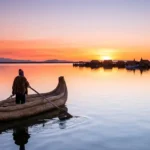
Puno, a vibrant city located on the shores of Lake Titicaca in southeastern Peru, is a must-visit destination for travelers interested in culture, history, and breathtaking natural landscapes. The city also serves as the gateway to the world’s highest navigable lake, Lake Titicaca, and its enchanting islands. Whether you’re interested in exploring ancient ruins, immersing yourself in local traditions, or enjoying stunning vistas, Puno offers a diverse range of attractions that promise an unforgettable experience.
Lake Titicaca, shared by Peru and Bolivia, is undoubtedly the crown jewel of Puno. This vast, shimmering body of water sits at an altitude of 3,812 meters (12,507 feet) above sea level, making it the highest navigable lake in the world. The lake’s deep blue waters and surrounding snow-capped peaks create a stunning backdrop for exploration, offering visitors a chance to connect with nature and experience the mystical aura that has surrounded the lake for centuries. (click here).
A visit to Lake Titicaca is incomplete without exploring its islands, each offering a unique glimpse into the region’s rich cultural heritage. The most famous of these are the Uros Floating Islands, Taquile Island, and Amantaní Island.
One of the most distinctive attractions in Puno is the Uros Floating Islands, an extraordinary example of human ingenuity and resilience. The Uros people, who predate the Inca civilization, constructed these islands entirely out of totora reeds, a plant that grows abundantly in the shallow waters of the lake. The islands are anchored to the lakebed with ropes and poles to prevent them from drifting.
Visitors to the Uros Islands can learn about the unique lifestyle of the Uros people, who have adapted to living on these floating structures for centuries. The Uros continue to live in reed houses, practice traditional fishing, and create beautiful handicrafts using totora reeds. A guided tour of the islands often includes demonstrations of how the islands are constructed and maintained, as well as opportunities to purchase locally made crafts and textiles.
Taquile Island, is an UNESCO-recognized island which is renowned for its well-preserved Quechua culture and traditions. The islanders are known for their intricate weaving techniques, which have been passed down through generations. In fact, the textiles produced on Taquile Island are so exquisite that they have been inscribed on UNESCO’s list of Masterpieces of the Oral and Intangible Heritage of Humanity.
Visitors to Taquile can explore the island’s terraced fields, hike to the top for panoramic views of the lake, and visit the community’s main square. The islanders welcome guests into their homes, offering insights into their daily lives and traditional customs. You can also enjoy a traditional meal prepared with locally sourced ingredients, such as quinoa, potatoes, and trout from the lake.
For those seeking a more tranquil and immersive experience, Amantaní Island is the perfect destination. Located further from the mainland, Amantaní is larger and less visited than Taquile, offering a peaceful retreat from the hustle and bustle of daily life. The island is home to two ancient temples, Pachamama and Pachatata, dedicated to the earth and the sky respectively. A hike to these temples offers not only a spiritual experience but also stunning views of the surrounding landscape.
At Amantaní Island, visitors can participate in a homestay program, where they stay with local families and experience traditional Andean life. This includes helping with daily chores, learning about traditional farming practices, and enjoying home-cooked meals. The simplicity of life on Amantaní, combined with the natural beauty of the island, makes it a truly special place to visit.
While Lake Titicaca is the primary draw for visitors to Puno, the city itself has much to offer. Puno’s vibrant streets, colorful markets, and historical sites provide a fascinating glimpse into the region’s cultural heritage. The city is known for its lively festivals, particularly the Virgen de la Candelaria festival, which takes place every February. This UNESCO-recognized event is one of the largest and most important cultural celebrations in Peru, featuring music, dance, and elaborate costumes that reflect the syncretic blend of Andean and Catholic traditions.
Located in the heart of the city, the Puno Cathedral is a stunning example of Andean Baroque architecture. Constructed in the 18th century, the cathedral features a richly decorated façade with intricate carvings that blend indigenous motifs with Spanish colonial designs. Inside, the cathedral houses beautiful altars and religious artwork that showcase the fusion of Andean and European artistic traditions.
For those interested in delving deeper into the history and culture of Puno, the Museo Carlos Dreyer is a must-visit. This small but well-curated museum is named after Carlos Dreyer, a German artist and collector who settled in Puno in the early 20th century. The museum’s collection includes pre-Columbian artifacts, colonial religious art, and a fascinating display of items related to the Aymara and Quechua cultures.