What exactly are the hidden flavors of Lima missed by most travelers?
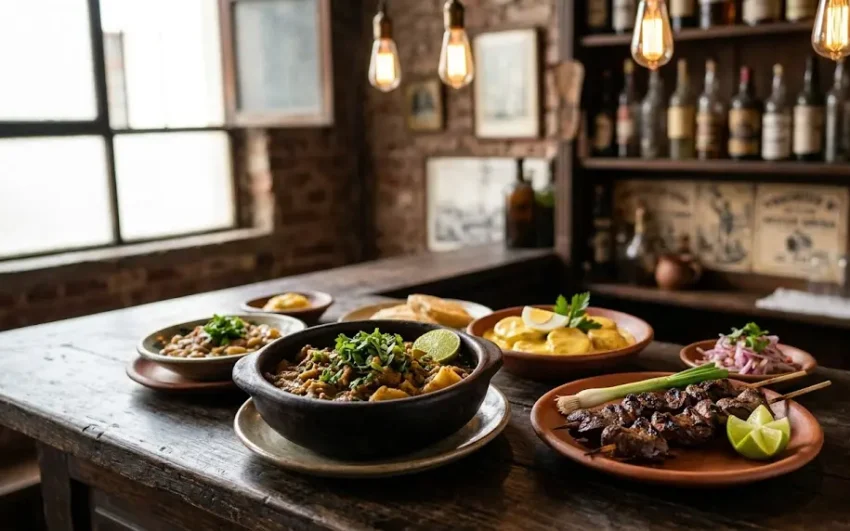
The true essence of the capital’s culinary landscape goes far beyond the widely advertised plates found in luxury hotel districts. While casual vacationers are content with standard options, local epicures seek out specialized dishes like anticuchos, cau-cau, and carapulcra, which carry historical weight and intense spice profiles. These slow-cooked stews use native ingredients like yellow ají peppers and dried potatoes to create complex textures that mass-market eateries rarely replicate due to long preparation times.
Failing to explore these regional staples means missing out on the genuine textures that have sustained local working-class neighborhoods for over two centuries. This explains why the most rewarding food discoveries happen away from commercial beachside boardwalks.
Why do historical downtown taverns preserve the city’s true gastronomic soul?
The old bars of the historic center act as living museums where recipes have been guarded for generations. These establishments prefer to serve hearty portions of traditional cured meats and rich seafood broths that cater to neighborhood families.
The enduring appeal of these spaces rests on key elements:
- Ancestral seasoning methods: Utilizing iron skillets that enrich the baseline flavor over decades of use.
- Sourcing continuity: Relying on the same generational market vendors to procure native herbs daily.
- Unchanged architectural settings: Maintaining old wooden counters that keep the historic atmosphere intact.
How has maritime heritage shaped the secret culinary traditions of local ports?
The proximity to cold Pacific currents provides a continuous supply of diverse marine life that extends far beyond high-grade white fish. In the secondary ports of Callao, local families have developed a separate seafood vocabulary based on immediate processing.
The culture of the daily dockside catch
This diversity allows for concentrated chilcanos that use every part of the catch to maximize flavor. What regular tourists mistake for a simple appetizer is actually a complex, nutrient-dense cure that fishermen rely on. Utilizing lesser-known marine species ensures an unmatched level of freshness.
What distinct regional influences merge inside a classic Limeño kitchen?
The city’s geographic position as a centralized hub has allowed for a unique fusion where African, Spanish, Chinese, and Italian cooking techniques seamlessly blend into a singular urban identity. This complex interaction is evident in plates like lomo saltado, where Chinese wok techniques are applied to local beef cuts and native yellow chilis.
The contribution of Cantonese and Japanese immigrants redefined how locals process raw textures and soy-based reductions, elevating simple home cooking into an intricate art form. There is something deeply fascinating about a culinary ecosystem that absorbs foreign immigration trends so completely that the resulting dishes become national emblems. This high level of adaptation guarantees that no two neighborhood kitchens taste exactly the same.