Why is rapid travel like speed-reading an ancient Andean landscape?
The single greatest operational mistake made by visitors in the altiplano is attempting to absorb the entire geographic region within a standard twenty-four-hour window. People routinely check into an economy hotel at night, participate in a frantic full-day boat excursion, take identical photos, and depart the following morning. This rapid pace reduces a majestic, sacred body of water into a shallow background for personal social media profiles.
Choosing a path focused on experiential tourism Puno Peru changes this transactional dynamic entirely. The lake is an immense emotional space that completely shifts its fluid colors from deep, intense blue to bright metallic silver depending on the movement of the Andean storm clouds. Slowing down your physical schedule allows you to experience the heavy silence that blankets the high-altitude water before commercial transport vessels disrupt the horizon.
How can an early morning walk near the Puno port expose true altiplano life?
An unstructured stroll through the working-class lakeside neighborhoods reveals far more about regional culture than any prepaid commercial excursion can offer. During the bitter morning freeze, the city operates entirely for its own residents, away from the influence of international tourism dollars. The air smells of rich quinoa drinks, herbal teas, and woodsmoke rising from mobile breakfast carts.
- Local women dressed in thick traditional layers serving hot breakfast soup to workers
- Taxi drivers gathered around small metal tables sharing stories over steaming mugs
- Indigenous fishermen silently organizing hand-woven nets on cold stone docks
This unpolished daily routine leaves an enduring impression on those willing to brave the harsh high-altitude climate. Sourcing your travel experiences from these organic, community-led moments provides an honest view of Puno’s identity. It proves that the soul of the lake resides in its ordinary daily endurance, rather than the heavily rehearsed folklore dances staged for tour groups later in the afternoon.
What can we learn by deconstructing the complex tourist paradox of the Uros islands?
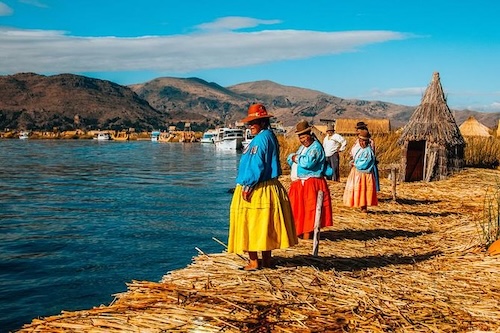
The floating reed platforms of the Uros community present a difficult paradox that modern travelers struggle to understand clearly. Because the islands feature organized souvenir stands and coordinated historical demonstrations, many independent backpackers instantly dismiss the entire ecosystem as a fake cultural performance. This cynical conclusion ignores the families who actually live, raise children, and repair boats on those reed foundations daily.
The mechanical feel of these cultural interactions is a direct result of mass travel agencies packing giant boats back to back all week long. When local hosts face a continuous stream of camera lenses entering their private living spaces daily, their hospitality naturally becomes automated. Moving beyond the standard excursion routes allows for genuine, unhurried conversations that respect the dignity of this unique indigenous community.
Why does embracing rural silence in places like Capachica challenge modern tech habits?
Venturing to isolated rural sectors like the Capachica Peninsula introduces travelers to expansive agricultural landscapes completely untouched by the tourism industry. The absolute quiet of these farming hamlets at night can feel jarring to individuals accustomed to the non-stop sensory bombardment of contemporary city life. Without traffic or digital notifications, the mind is forced to confront its own internal pacing.
Experiencing a sudden power failure during a rural family dinner highlights our extreme dependence on constant digital connectivity. Watching local farmers calmly ignite a wax candle and continue sharing stories without a single glance at a mobile phone is a powerful lesson in mindfulness. Stepping away from commercialized travel circuits rewards the visitor with an authentic appreciation for the deep historical traditions that still safeguard the shores of Lake Titicaca.