What is the true entrance ticket pricing structure?
Reaching the ancient citadel requires buying your admission pass months in advance due to strict government capacity caps. Depending on the specific circuit you select to explore the ruins, the face value of the ticket feels completely reasonable for a site with global recognition. This initial affordability creates a dangerous sense of optimization, leading travelers to assume the rest of the journey will follow the same pattern.
The entrance pass is merely the administrative key to the site, not the true financial weight of the excursion. Budgeting solely around the admission card guarantees a severe miscalculation of your cash outlay. The real expenses stack up later, making the entry pass look like a minor out-of-pocket transaction.
Why the train to Aguas Calientes alters your Machu Picchu budget calculations
The rail transit from Cusco or Ollantaytambo to the base town represents the single biggest expense for independent adventurers. Because the historical sanctuary does not sit next to a highway, rail transport operates under a virtual monopoly that surprises people who are used to cheap daily living costs in Peru. A single round-trip reservation can easily cost more than several days of ordinary spending on food and lodging.
The rail ticket dominates your cash flow, forcing you to adjust your expectations immediately. This unexpected high price tag commonly triggers intense comparison shopping across different train categories and schedule blocks, proving that getting there consumes more than the actual entry into the site.
Transport alternatives vs physical energy on the route
Disillusioned by high rail fees, many backpackers research low-cost alternatives involving combinations of collective road buses and long walks along the hydro-electric tracks. While these alternative routes absolutely exist and provide a sense of raw adventure, they create a dangerous gap between planning theories and physical reality.
Saving money feels entirely different when you are exhausted, carrying a heavy backpack, and watching tight train schedules. Overvaluing financial savings while undervaluing your personal physical energy often ruins the actual experience of arrival. Every additional transfer increases the probability of logistical delays, weather exposure, and mental stress that alter your vacation mood.
Budgeting for food and unexpected transit meals
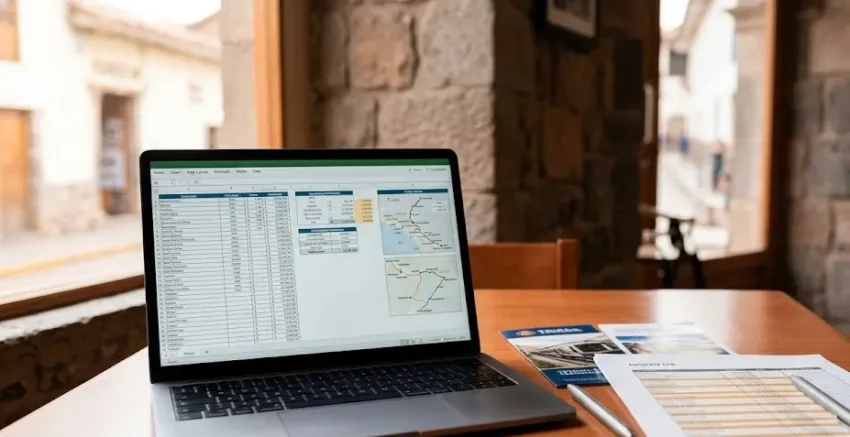
Food is the specific operational category that almost every independent operator routinely forgets to calculate within their Machu Picchu budget spreadsheet. Travel schedules are irregular, forcing you to buy premium coffees at five in the morning or purchase convenience snacks near the train platforms where prices are highly inflated.
Restaurants near the sanctuary leverage their location, charging international premium rates for simple meals. Convenience eating drains your pocket silently throughout the excursion. Consolidating these minor expenses reveals why the final number is always more than expected, requiring a disciplined approach to cash management to protect your travel funds from dissolving completely.