The Hub’s Groundbreaking Approach
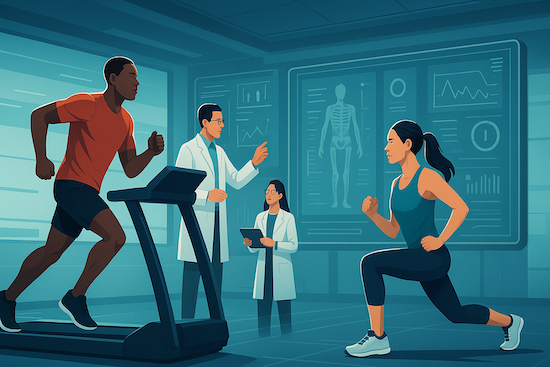
The idea behind these hubs sounds simple, but it’s actually pretty groundbreaking. You take coaches, doctors, nutrition experts, psychologists, data people, put them all under the same roof, and then you give athletes access to everything in one spot. It’s about training smarter, recovering faster, and performing better. In the old days, athletes relied on their gut feeling, a coach’s wisdom, or trial and error. Now, they can break down their stride in milliseconds, fine-tune nutrition for cellular recovery, and even measure their mental state with tools way beyond a pep talk.
One of the biggest changes a performance hub brings is how it reshapes the culture of training. Athletes stop seeing preparation as only physical. They start realizing how everything’s connected: sleep, stress, diet, reaction times, even mood. That wider view replaces a lot of guesswork with science-backed insights. But at the same time, it doesn’t erase the human side. Science is more like a partner, not a substitute, for the instincts and feel that players and coaches have built through years of sweat and experience.
Technology: The Most Obvious Piece
Technology is maybe the most obvious piece. Motion cameras, wearables, even AI, are tracking muscles and joints under stress. Stuff the naked eye would never catch—like a tiny imbalance in stride or a slight uneven weight shift—gets flagged before it snowballs into an injury. For a sprinter, that could mean shaving a fraction of a second. For a footballer, it might mean playing two extra seasons without destroying their knees. It’s not hype; it’s real and often life-changing.
Nutrition: A Game Changer
Nutrition is another game changer. A few decades ago, advice was broad: eat protein, stay hydrated, cut junk food. Now, with the hub approach, it’s laser-focused. Blood tests show deficiencies, meal plans are customized, recovery food is tailored not just for the sport but for the individual body. Even water intake isn’t left to chance—scientists track electrolytes and hydration shifts under different conditions. It’s a level of detail that makes “carb loading” from the old school look like child’s play.
The Mental Side of Competition
And then there’s the mental side, which sometimes gets overlooked. Competing at the top level isn’t just about who’s stronger or faster. It’s about who can handle pressure, who stays focused, who bounces back after a setback. Sports psychologists in these hubs are giving athletes tools to deal with anxiety, sharpen focus, and create routines that keep them grounded. These aren’t just theories—they translate into real results. A player who can silence self-doubt or turn nerves into fuel has a serious edge.
Collaboration and Potential Challenges
What makes it all click is collaboration. In a hub, everyone talks to each other. A coach can ask a nutritionist about diet and energy levels. A physio can work with a data analyst to catch early injury risks. Instead of isolated efforts, everything feeds into a bigger picture. That teamwork makes the benefits multiply.
“Relying too much on numbers can kill the creative side of sports. Data can’t always explain why a player makes a risky pass that somehow works, or why a runner digs deep in the final stretch.”
Others point out the gap in access—wealthy teams and countries can build fancy hubs, while smaller or poorer ones can’t, which could widen inequality. Those are fair concerns, and they remind us that progress has to be balanced with fairness and the human spirit.
Conclusion: The Future of Training
Even with those issues, though, the direction is clear. Sports Performance Hubs are changing what training and competition mean. They aren’t about turning athletes into robots, but about giving them the tools and knowledge to make the most of their natural talent.